

Backed by science
Training methods:
Recent scientific research (systematic review & meta-analysis of 797 cyclists) shows that structured training significantly improves VO₂max and time-trial performance — regardless of whether training follows a “polarized” or “non-polarized” model. What matters most is not blindly piling up hours, but using a well-designed training distribution over a sustained period. This proves that even amateur and recreational riders can achieve measurable performance gains with the right guidance, planning and consistency.
Source: Ben Cove, Samuel Chalmers, Hunter Bennett, Maximillian J. Nelson & Mitchell Anderson, 2025
Strenght training for cyclists:
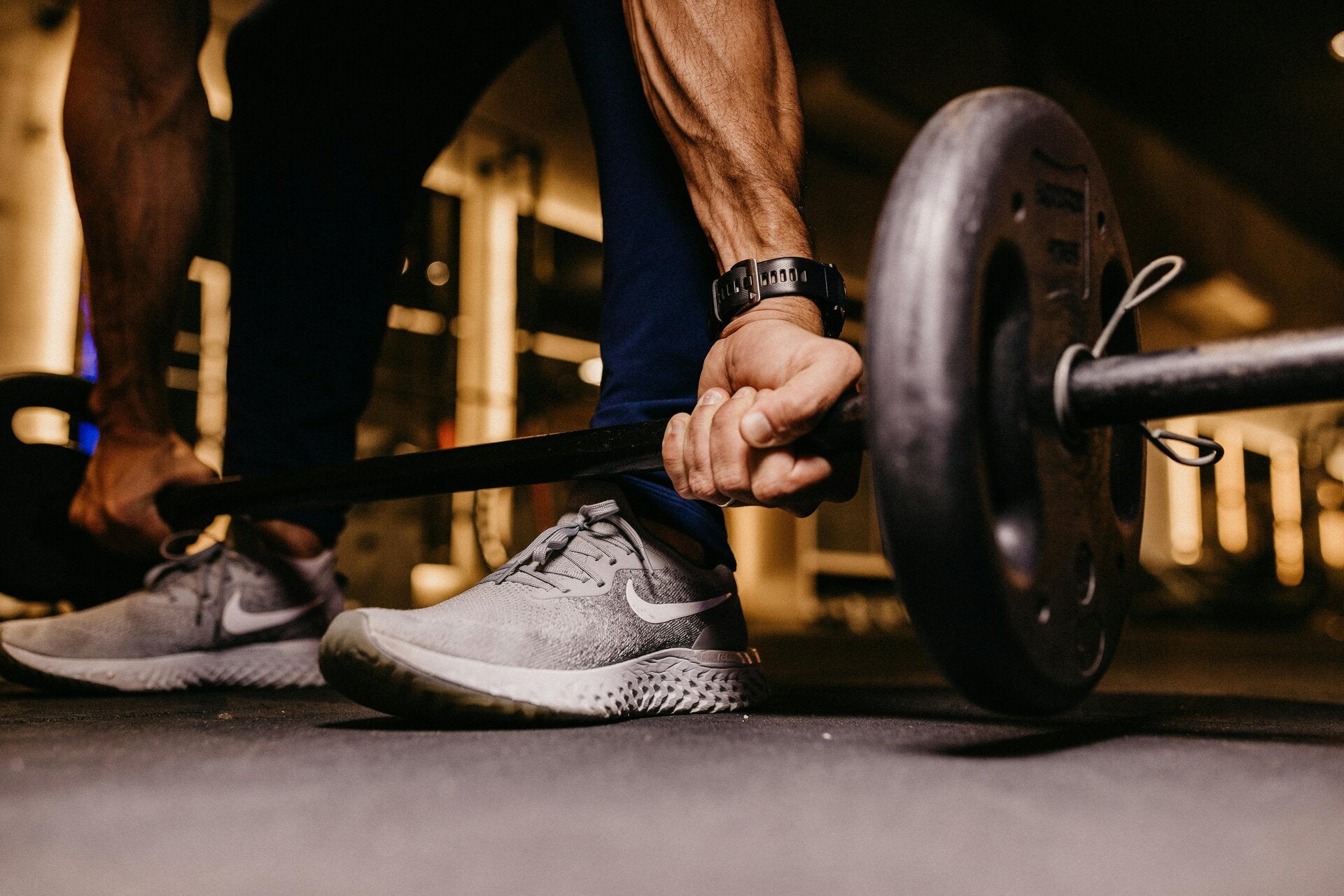
A 2025 systematic review and meta-analysis examined how heavy strength training (≥80% of 1RM) affects endurance cyclists. The study found clear performance benefits for athletes who combined heavy strength work with regular cycling training.
Cyclists improved anaerobic power, cycling efficiency, and time-trial performance—all key factors in racing. These gains mean riders can produce more power with the same energy cost and handle high-intensity efforts more effectively during climbs, accelerations, and race-deciding moments.
The study reported no major changes in VO₂max or maximal steady-state performance, suggesting that strength training works mainly through neuromuscular improvements such as better force transfer, stronger muscle recruitment, and increased peak power.
Overall, the research shows that heavy strength training is a valuable addition for cyclists of any level, supporting long-term performance development—not just for explosive riders, but for all athletes aiming to ride faster and more efficiently.
Source: Llanos-Lagos, C., Ramirez-Campillo, R., & Sáez de Villarreal, E. (2025). Heavy strength training effects on physiological determinants of endurance cyclist performance: a systematic review with meta-analysis. European Journal of Applied Physiology.

Maak jouw eigen website met JouwWeb